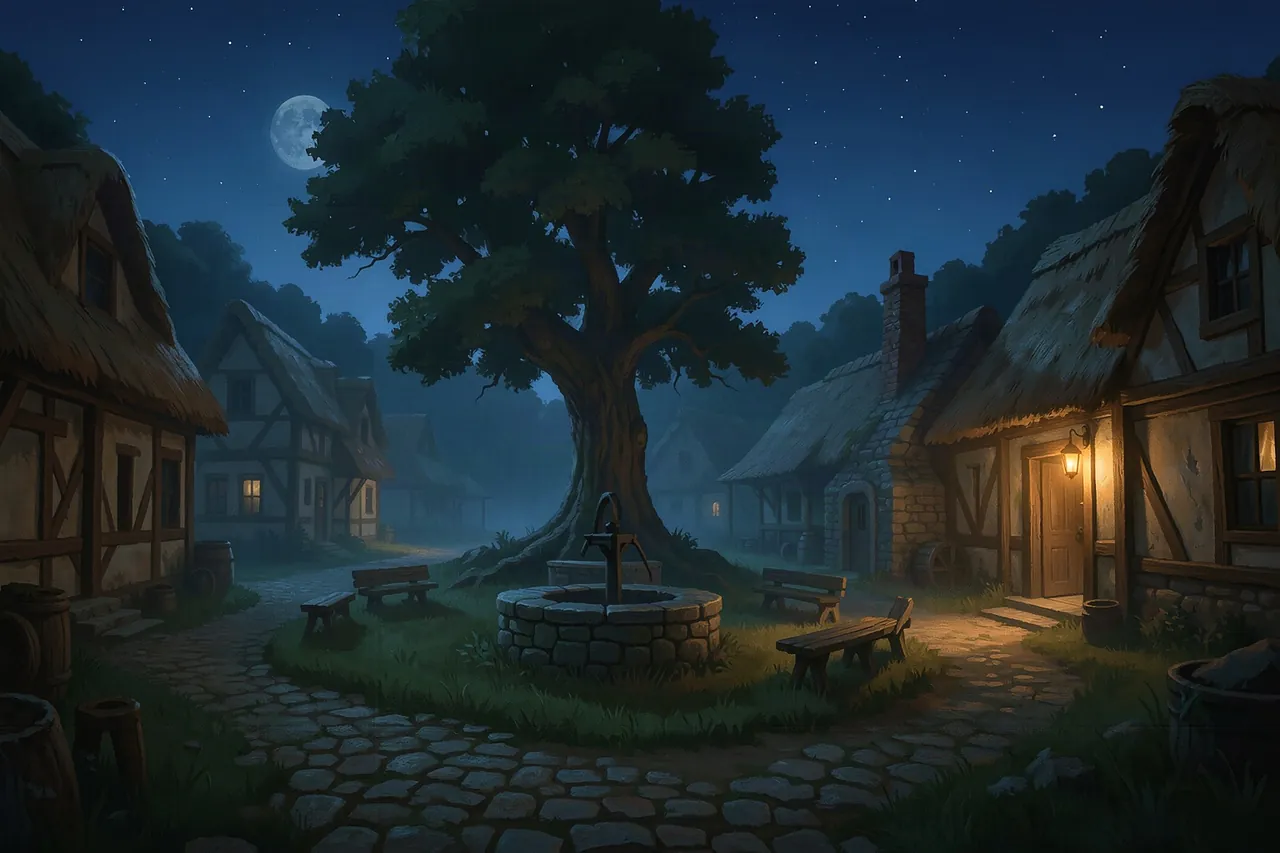
AI Story Generator With Pictures: 3 Kinds and How to Pick
By Nayan Dhabarde · Published July 11, 2026 · Updated October 4, 2026
An AI story generator with pictures writes a story and makes images to match it. There are three kinds, depending on whether you want a finished book, help illustrating your own writing, or a story you play.
| Kind | How the pictures work | Best for | Tools to try |
|---|---|---|---|
| Picture-book makers | You describe a story; it returns a short book with an illustration on each page | Bedtime stories, gifts, printed books for kids | Gemini Storybook, Childbook.ai, StoryBee |
| Illustrated story writers | You write; it draws a passage when you ask | Novelists, fan fiction, seeing your own draft | NovelAI, Sudowrite |
| Interactive illustrated stories | You play a character; it draws scenes as the story happens | Solo adventure and roleplay | AI Dungeon, Imagina RPG, Mythx |
Disclosure: we make Mythx, the last tool in that table, so weigh what we say about it with that in mind. Our story generator page shows Mythx's take on the third kind: you arrive in a living world, type what your character does, and scenes come with pictures (every scene on Premium, your first few on free play).
Picture-book makers
These build a whole short book from one prompt. You get pages, pictures and often narration, but you don't steer the story scene by scene.
- Gemini Storybook turns a description, photos or files into "a unique 10-page storybook" with read-aloud narration. You can share it by public link or print it from your browser. It's open to Gemini users over 18, so a parent makes the book.
- Childbook.ai makes complete illustrated children's books with "PDF and print-ready output," and it can illustrate a story you already wrote. Plans start at $19 a month for up to 20 books of up to 32 pages. Printed softcovers and shipping cost extra.
- StoryBee makes personalized, illustrated, audio-narrated bedtime stories for ages 3 to 12, and it can print a book. Signing up is free, but its kids' story page says "generating stories requires a paid plan."
Illustrated story writers
These are writing tools first. Pictures come when you ask for them, so you choose which moments get drawn.
- NovelAI pairs a story writer with a separate anime-style image generator under one subscription. Per its subscription docs, plans start at $10 a month and the free trial includes 30 image generations. On the $25 Opus tier, single normal-size images don't cost Anlas, its image currency, up to a usage limit on the newest models.
- Sudowrite has a Visualize tool: select 10 to 500 words of your draft and it returns a 1024×1024 image you can insert. Each image uses 2,500 credits. If the passage names a character, it checks that character's physical description in your Story Bible.
Interactive illustrated stories
You play a character, the AI plays everyone else, and pictures arrive mid-story. This kind is the hardest to build, because the art has to follow choices nobody planned.
- AI Dungeon draws on request with See mode. Leave the prompt blank and it writes one "based on your last few actions, story cards, and plot essentials." Images usually cost credits. Paid tiers include monthly credits, starting with Journey at $14.99 a month for 760.
- Imagina RPG can add pictures automatically, but turn images "are off by default for every world." Switched on, each costs about 10 credits, and a cooldown allows "roughly one image every two turns."
- Mythx is an AI roleplay game set in 13 hand-built living worlds. On Premium every scene is illustrated, up to 100 a day. Free play gives 10 scenes a day: the arrival scene and the next three come illustrated, then the story continues in text. Characters keep the same face and outfit from scene to scene.
How to judge one: the five-scene lineup test
Any tool can attach an image model to a text model. Left alone, each picture is drawn from scratch, so your red-cloaked swordswoman gets a new face, build and cloak in every scene.
Consistency means the tool stores what each person looks like and sends it with every image request. The tools above do this in different ways. Childbook.ai builds characters "from descriptions or photos," Sudowrite reads your Story Bible, and AI Dungeon's blank See prompt pulls in your story cards.
The test is simple. Make five scenes with the same character, in different places and at different times of day, and put the pictures side by side. If you can't pick your hero out of the lineup, the pictures are decoration.
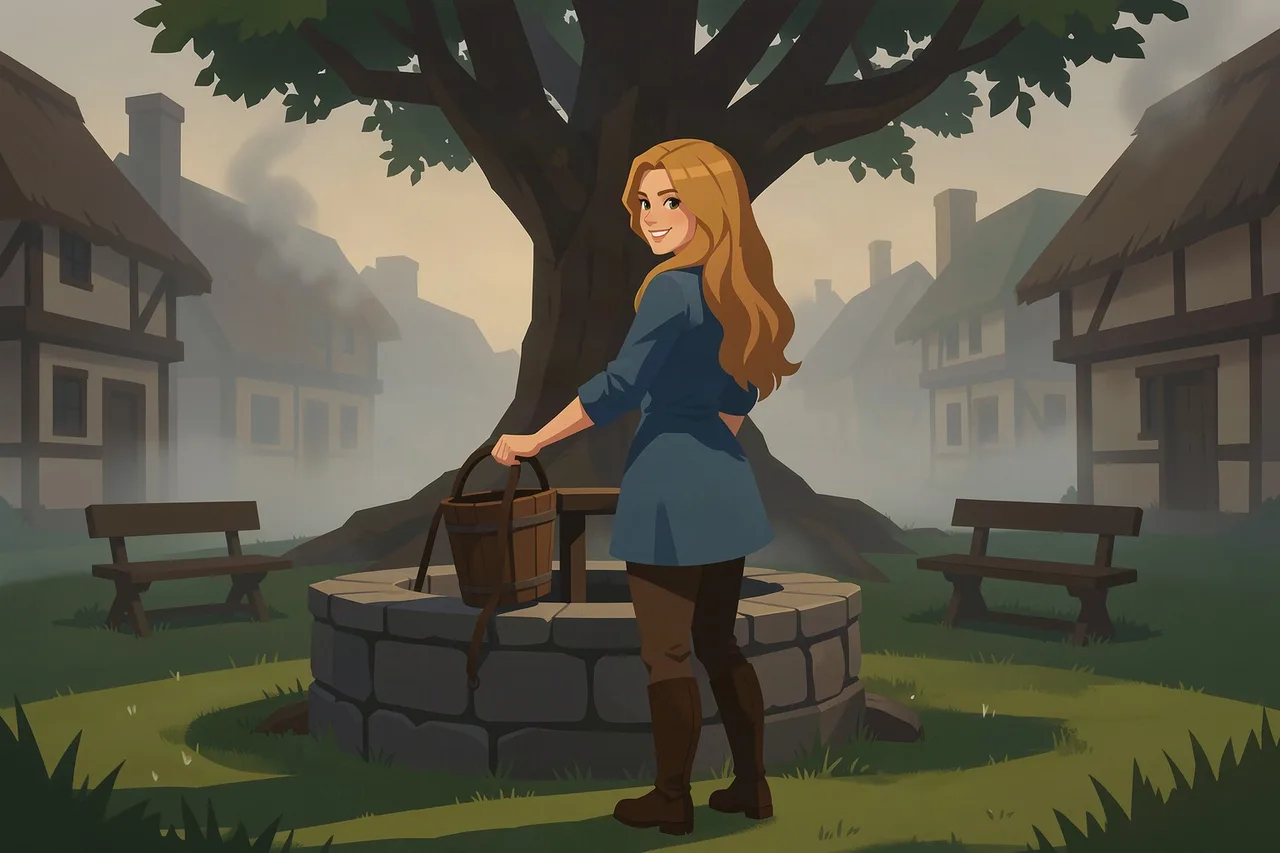
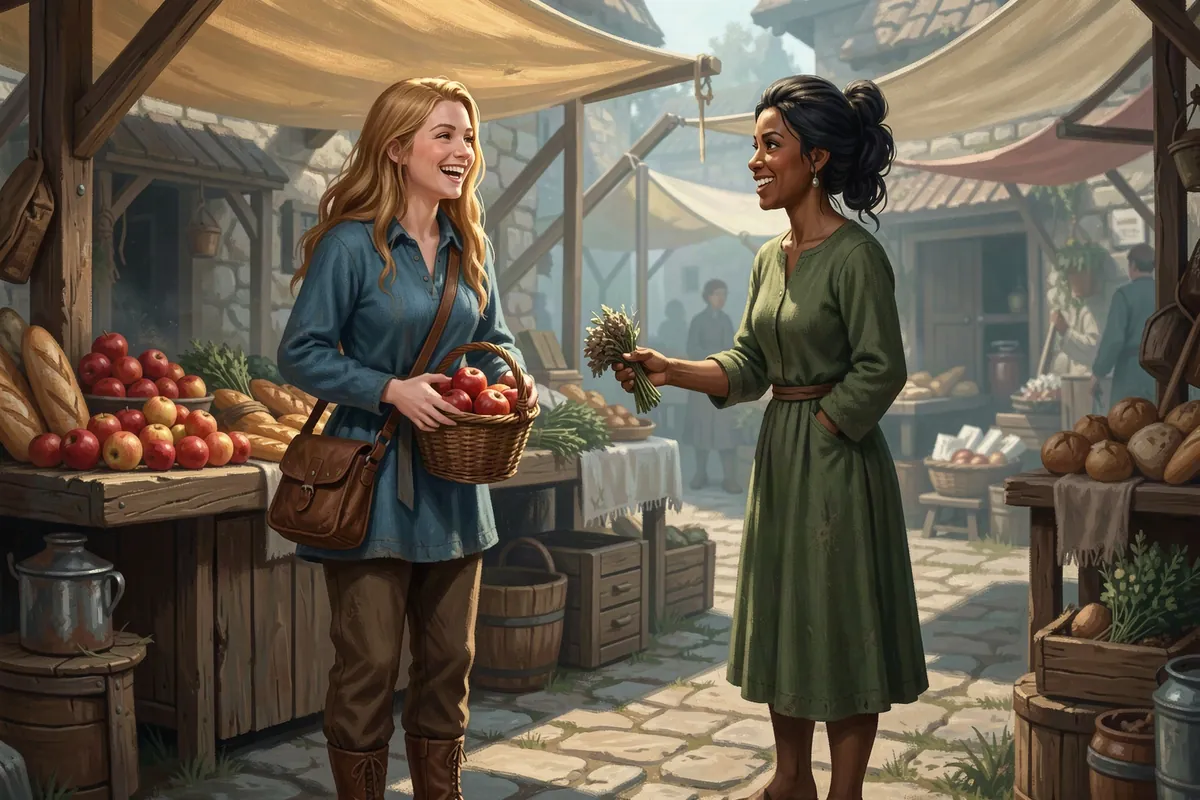
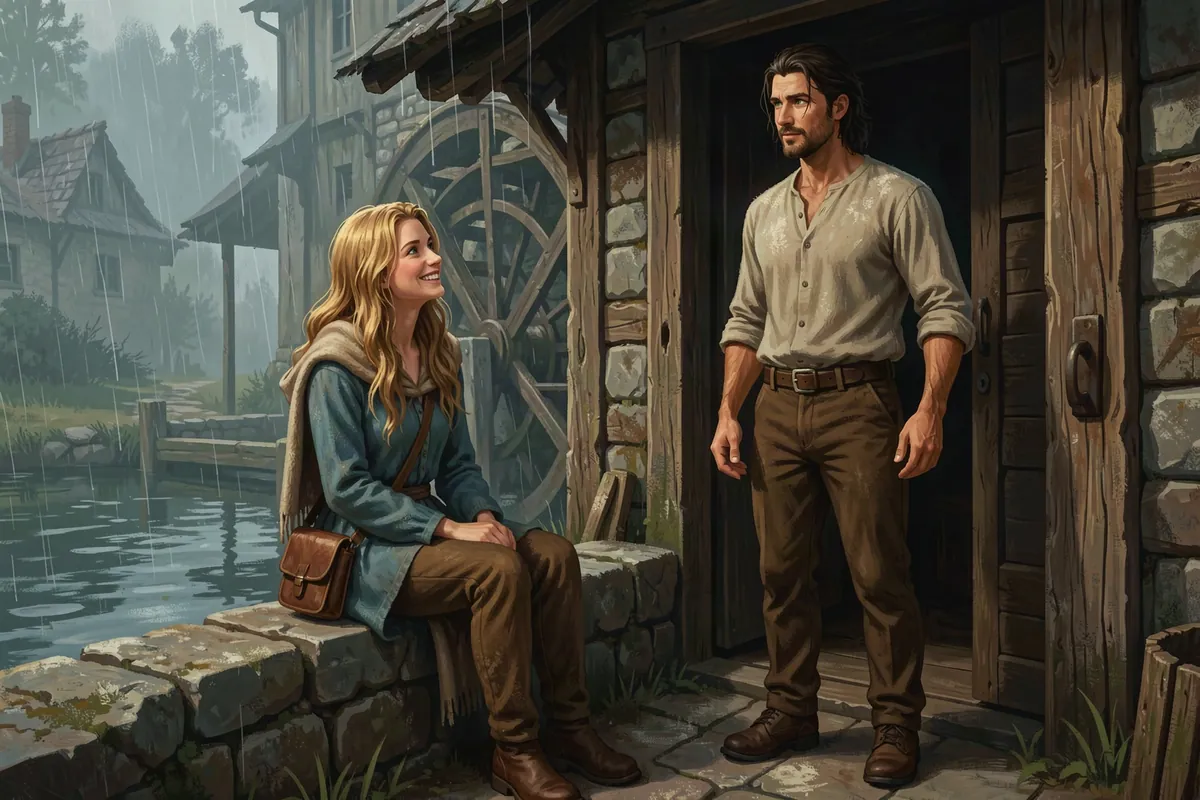
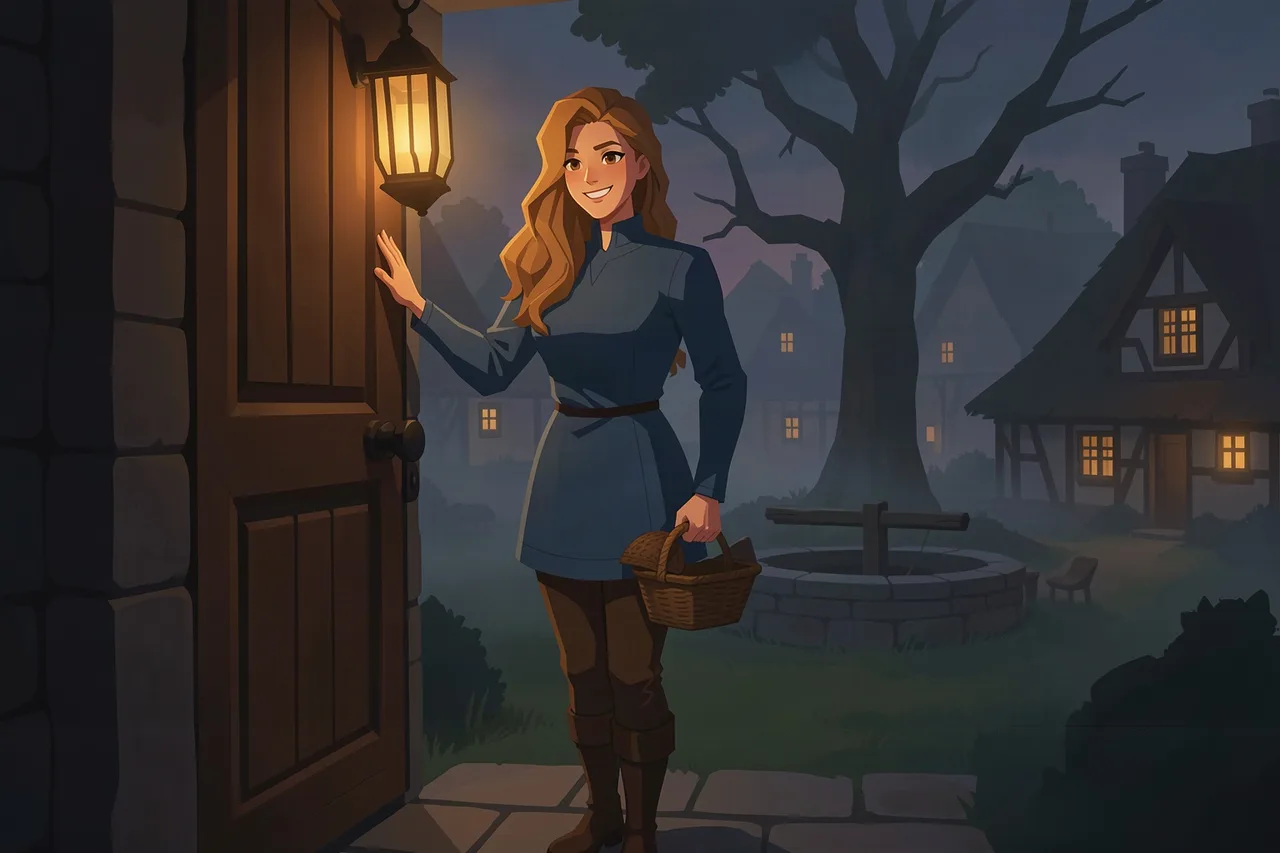
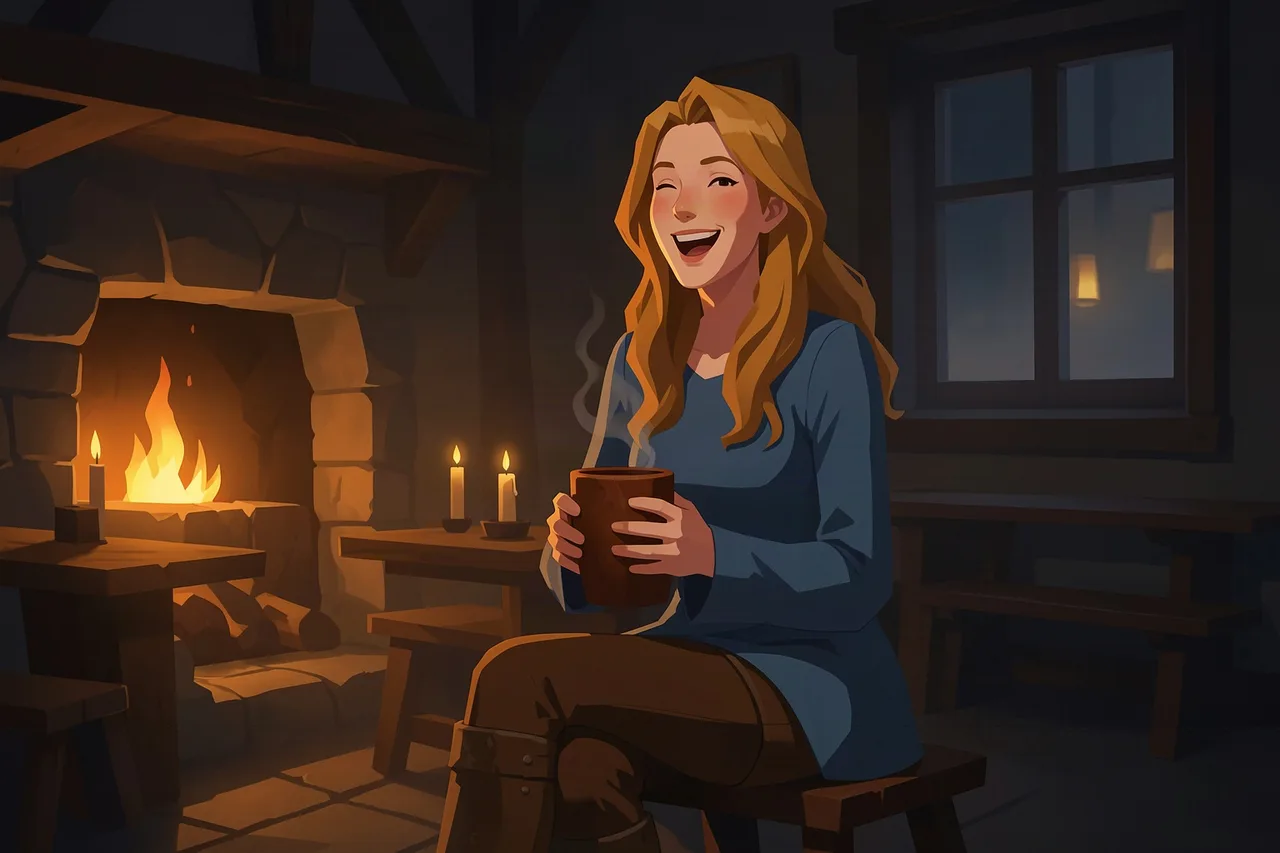
The five-scene lineup test on Mythx art: one character from morning to a rainy afternoon to night, drawn with the image model, art style and character sheet the game uses. You should be able to pick her out instantly — that's the bar.
For a picture book, run the same test on pages 1, 5 and 10.
What else to check
- Speed. Time one scene from sending your turn to the picture appearing. If the image lands long after you've read the text, you'll stop looking at it.
- Pictures that react to your choices. Do something the story didn't set up, like befriending the guard instead of fighting him. The next picture should show the two of you talking, not a stock fight.
- Price per image or flat. Credit systems charge per picture: about 10 credits on Imagina RPG, 2,500 on Sudowrite, and a tier-based amount on AI Dungeon. Flat plans cap by count instead, like Childbook.ai's books per month. Work out what one evening, or one book, will cost.
- Consistency over many scenes. Five scenes is the minimum. For a long story, compare scene 20 with scene 1.
- Print and export. If the goal is a book on a shelf, you need PDF or print. Gemini Storybook prints from the browser, Childbook.ai exports PDF and sells softcovers, and StoryBee prints books. Story games are built for playing, so use a picture-book maker for a printed book.
Frequently asked questions
Can I make a printable picture book with AI? Yes. Gemini Storybook makes 10-page books you can print from your browser. Childbook.ai produces PDF and print-ready files and sells printed softcovers, with printing and shipping charged on top of the plan.
Is there a free AI story generator with pictures? A few have free tiers or trials. NovelAI's trial includes 30 image generations, and Mythx gives 10 free scenes a day with the first ones illustrated. AI Dungeon's free tier comes with no monthly credits, which images usually need. StoryBee lets you sign up free but needs a paid plan to generate stories.
Can AI illustrate a story I already wrote? Yes. Childbook.ai lets you import your text and illustrate each page. Sudowrite's Visualize draws from a passage you select, and Gemini Storybook can build a book from documents and photos you upload.
Who owns the pictures? It depends on the tool, so read its terms. AI Dungeon says "you own all of the pictures that you generate." NovelAI says there are "no limitations on commercial use" of its images. Childbook.ai lists a commercial license and no watermark on its Business plan, $99 a month.
Which ones are made for kids? StoryBee is built for children ages 3 to 12, and Childbook.ai lists families and teachers among its users. Gemini Storybook makes children's stories too, but only users over 18 can use it, so a parent makes the book.